
The Future of Can Filling Technology: Trends and Innovations in the Canning Industry
The canning industry has come a long way since its inception, evolving from simple manual methods to sophisticated, automated systems that drive the production of food and beverages around the world. As consumer demand for high-quality, sustainable, and cost-efficient products continues to grow, canning technology is undergoing rapid transformations.
In this article, we’ll explore some of the key trends and innovations shaping the future of can filling technology, with a focus on automation, sustainability, and energy efficiency.
1. The Rise of Automation: Efficiency, Precision, and Scalability
One of the most significant trends in the canning industry is the growing shift toward automation. As production demands increase and labor shortages persist, manufacturers are turning to automated can filling machines to streamline processes, increase output, and improve product consistency.
The Role of Automated Canning Machines
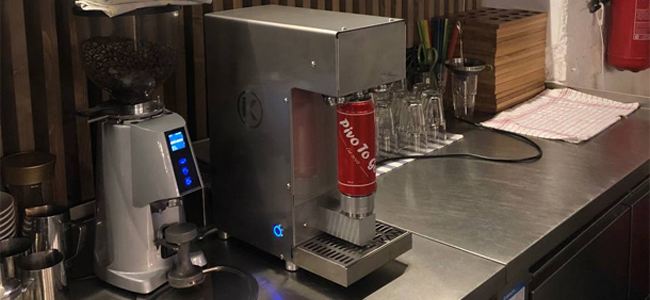
Automated machines, like the Fenix and iKAN models offered by Eazy Canning, are changing the game for small and medium-scale producers. These machines allow businesses to scale up their operations without compromising quality.
- Precision: Automated canning systems ensure that each can is filled to the exact weight and sealed with precision, reducing human error and minimizing product waste. This is crucial for industries like food and beverages, where consistency and quality are key to maintaining customer satisfaction.
- Speed and Efficiency: Automated filling machines can operate at a much faster rate than manual methods. For example, machines like Fenix and iKAN offer flexibility in production speed, allowing producers to adjust the pace based on demand. This means businesses can meet market needs without overburdening their resources.
- Labor Savings: Automation helps businesses reduce the need for manual labor, which not only improves cost-efficiency but also reduces the risk of workplace injuries. With labor shortages being a growing concern globally, investing in automated filling and sealing systems allows companies to operate efficiently with fewer employees.
Innovations in Automation
Advanced technologies such as AI-powered systems and machine learning are also beginning to play a role in the canning industry. These systems can analyze production data in real time, making adjustments to improve speed, accuracy, and efficiency. The ability to predict maintenance needs, optimize workflows, and reduce downtime is increasingly becoming a competitive advantage for canning businesses.
2. Sustainability in the Canning Industry: Reducing Waste and Resource Consumption
Sustainability is no longer just a buzzword—it’s a driving force behind many innovations in the canning industry. Consumers are more environmentally conscious than ever, and brands are responding by adopting practices that reduce waste and promote eco-friendly operations.
Eco-Friendly Materials and Packaging
One of the primary focuses in sustainable canning is the use of eco-friendly materials. Aluminum cans are widely regarded as one of the most sustainable packaging options because they are fully recyclable and require less energy to produce than other materials like glass or plastic. Advances in material science are making it even easier to create cans that are lighter, use fewer resources, and are even more recyclable.
In addition to using more sustainable packaging materials, many canning companies are focusing on reducing packaging waste. Newer technologies allow for better filling precision, reducing the amount of empty space in cans, and ensuring that each can is filled with the maximum amount of product while minimizing material usage.
Reducing Energy Consumption
Sustainable canning also involves cutting down on energy consumption during the production process. Companies are increasingly adopting energy-efficient can filling machines that use less power and water, thereby reducing their carbon footprint.
Fenix and iKAN machines are designed with energy efficiency in mind. These machines optimize the use of energy throughout the canning process, minimizing waste and reducing overall costs. As energy costs continue to rise globally, energy-efficient machines are becoming an essential investment for businesses looking to stay competitive in an increasingly eco-conscious marketplace.
Waste Reduction
In addition to optimizing resource use, reducing food waste is a top priority in the canning industry. Innovations like smart sensors and advanced filling mechanisms ensure that every drop of product is used efficiently. Even small batch producers can benefit from these innovations, as they can avoid overfilling or underfilling cans, leading to less product waste and higher yields.
3. Energy Efficiency: The Push for Greener Canning Practices
As the world focuses on reducing its carbon footprint and addressing climate change, energy efficiency in manufacturing processes is becoming increasingly important. The canning industry is no exception, with significant advancements being made to reduce the energy consumption of filling and closing machines.
Advanced Motors and Power Systems
To enhance energy efficiency, modern can filling machines, like those from Eazy Canning, are equipped with advanced motors and power systems. These systems are designed to deliver high output with lower energy consumption, ensuring that businesses can maintain fast production speeds while using less power.
For instance, servo-driven motors allow for precise control over the filling process, which reduces the amount of energy needed to operate the machine. These motors adjust power usage based on the machine’s workload, significantly reducing energy wastage.
Heat Recovery Systems
Another emerging technology in energy-efficient canning is heat recovery systems. These systems capture excess heat generated during the canning process and reuse it for other operations, such as sterilization or preheating. By recovering and repurposing energy, manufacturers can lower their overall energy costs and reduce their carbon footprint.
Energy Monitoring and Optimization
To further improve energy efficiency, many companies are incorporating energy monitoring systems into their canning lines. These systems track energy consumption in real-time, allowing manufacturers to identify inefficiencies and take corrective actions to optimize power usage. The data gathered can also help companies set sustainability goals and meet regulatory requirements.
4. Smart Can Filling Machines: The Role of IoT and Big Data
The integration of smart technologies in canning machines is another trend that is gaining momentum. With the rise of the Internet of Things (IoT), can filling and closing systems are becoming increasingly connected, allowing for real-time data collection and machine monitoring.
Remote Monitoring and Predictive Maintenance
With smart can filling machines, operators can access production data remotely via smartphones, tablets, or computers. This allows for remote monitoring, troubleshooting, and the ability to make adjustments without being physically present. By using real-time data, manufacturers can quickly identify potential issues and address them before they cause significant downtime.
Predictive maintenance is another major advantage of IoT-enabled canning machines. By analyzing data from the machines, companies can predict when a part might fail or when maintenance is needed. This not only reduces unexpected breakdowns but also optimizes machine performance and extends the lifespan of the equipment.
Big Data and Analytics
Big data is transforming the way manufacturers approach production. By collecting and analyzing large volumes of production data, businesses can gain valuable insights into how their canning operations are performing. These insights can help optimize everything from fill levels and sealing pressure to machine settings, ultimately improving production efficiency and product quality.
5. The Path Forward: Integrating Innovation for Future Growth
As the canning industry moves forward, the key to success will be the ability to adapt to emerging technologies while keeping an eye on sustainability and operational efficiency. Fenix and iKAN machines are at the forefront of this transformation, offering innovative solutions that help small and medium-sized producers scale their operations, improve product quality, and reduce costs.
By embracing automation, energy efficiency, and sustainability, canning companies are positioning themselves for long-term success in an increasingly competitive and environmentally-conscious market. Whether you are a small-scale producer or a large manufacturer, the future of can filling technology is bright, with innovations continuing to improve efficiency, product quality, and sustainability across the industry.
In conclusion, the future of canning technology is defined by efficiency, precision, and sustainability. With continued innovations in automation, energy-saving technologies, and smart, connected systems, the canning industry is poised for a new era of growth and transformation. Whether you’re a business looking to stay ahead of the competition or simply a consumer who cares about sustainability, the advancements in can filling technology promise a future that benefits everyone.

Leave a Reply