
How to Set Up Your First Canning Line: Step-by-Step Guidance for Small Producers
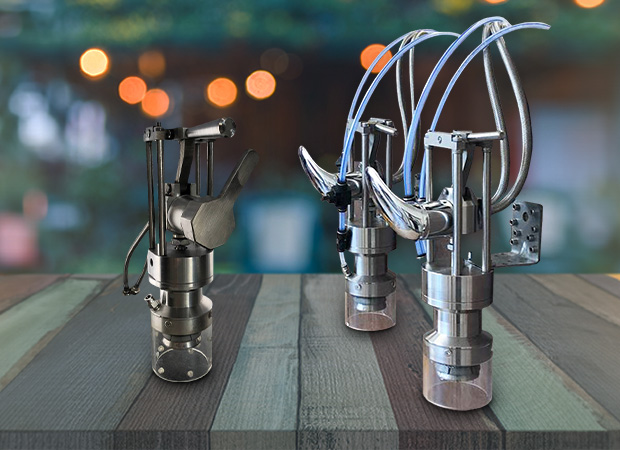
Whether you’re a microbrewery looking to expand distribution, a coffee shop launching cold brew cans, or a restaurant exploring canned cocktails and ready-to-eat foods, setting up your first canning line is a pivotal milestone. A thoughtful setup ensures consistent product quality, efficient operation, and scalability — all while controlling costs and minimizing waste.
In this comprehensive guide, we’ll walk you through everything you need to know to set up your first canning line, from planning and equipment selection to workflow, sanitation, and scaling your process. Along the way, we’ll highlight Eazy Canning’s iKAN can seamer and FENIX manual filling machine — two highly capable tools designed for small and medium producers.
What Is a Canning Line?
A canning line refers to the sequence of equipment and processes used to fill, seal, label, and package cans. Even a small operation benefits from a structured line because it:
- Improves quality control
- Reduces product loss
- Speeds up production
- Enhances consistency
For small producers, a canning line doesn’t need to be large or automated to be effective — it just needs to be well-organized and matched to your production volume.
Step 1: Define Your Production Goals
Ask Yourself
- How many cans do I plan to produce per week or month?
- What products will I can? (e.g., beer, cold brew, kombucha, cocktails, soups)
- What can sizes will you use?
- What is your budget and space available?
These questions shape everything else — from equipment selection to staffing and workflow design.
Example: A café that plans to can 5,000 cold brews per month will have very different needs than a brewery expecting 30,000 cans per month.
Step 2: Choose the Right Equipment
For small producers, the canning line doesn’t have to be intimidating. One effective starter setup includes:
1. A Manual Filler — FENIX by Eazy Canning
A manual filling machine like the FENIX allows you to accurately fill your cans with liquid products at moderate speed. It’s ideal for:
- Still beverages (cold brew coffee, juices, kombucha)
- Water-thin food products
- Small batch runs
- Businesses transitioning from hand-fill to structured production
FENIX Benefits
- Accurate, consistent fills
- Simple operation with minimal training
- Easy to clean and maintain
- Food-grade components
This is perfect for startups and small producers who want the control and quality of a structured machine without the cost or complexity of a fully automated line.
2. A Can Seamer — iKAN by Eazy Canning
After filling, every can needs to be sealed with a precise seam to protect product quality and safety. That’s where the iKAN automatic can seaming machine comes in.
iKAN Benefits
- Reliable, professional-grade can sealing
- Handles a range of can sizes (e.g., standard 330ml and up to 1L)
- Compact footprint ideal for small spaces
- Designed to be durable and easy to operate
Seaming errors can lead to leaks, spoilage, and unhappy customers — so investing in a good seamer is essential.
Optional Add-Ons
Depending on your operation, you might also consider:
- Label applicators for consistent, professional branding
- Scales for quality control
- Capping tables or conveyors to organize workflow
Step 3: Map Out Your Workflow
A productive canning line isn’t just about equipment — it’s about how operators move through the process. Even the best machines can become bottlenecks if the workflow is poorly designed. When each step is logically arranged and clearly defined, operators spend less time waiting, backtracking, or handling cans unnecessarily, which directly improves speed and consistency.
Typical Workflow
- Preparation
- Sanitize workstation
- Chill cans if necessary (for carbonated products)
- Prepare product (mixing, degassing)
- Sanitize workstation
- Filling with FENIX
- Set fill volume
- Load empty cans
- Fill consistently and monitor for accuracy
- Set fill volume
- Seaming with iKAN
- Transfer filled cans to seamer
- Ensure consistent placement
- Seam each can with consistent cycle rhythm
- Transfer filled cans to seamer
- Labeling & Packaging
- Label cans if applicable
- Package in trays or boxes
- Store or ship
- Label cans if applicable
Tips for Smooth Flow
- Keep empty cans organized nearby
- Use trays to move cans between stations
- Assign one person to each step during busy runs
- Keep cleaning wipes and sanitizer at every station
Step 4: Focus on Cleanliness & Sanitation
Sanitation is non-negotiable in safe food and beverage production.
Best Practices
- Clean filler components after every shift
- Sanitize seamer contact surfaces before and after use
- Keep work surfaces clear and dry
- Use food-grade sanitizers
- Log cleaning activities
Both FENIX and iKAN are built with materials and designs that make them easier to clean — reducing downtime and helping you stay compliant.
Step 5: Train Your Team
Even simple machines require good training.
Training Tips
- Start with a demonstration from the supplier — many companies provide walkthroughs.
- Create a standard operating procedure (SOP) specific to your setup.
- Practice runs before full production.
- Label controls clearly.
- Keep a troubleshooting checklist near the machines.
A well-trained team produces more consistently and with fewer mistakes because everyone understands not just what to do, but why they’re doing it. When operators are properly trained, they follow the same steps every time, which leads to uniform fill levels, reliable seams, and predictable output. This consistency reduces product waste, prevents rework, and protects product quality.
Step 6: Monitor Quality & Consistency
Once your line is running, measure performance regularly:
Key Metrics
- Fill accuracy – are volumes consistent?
- Seam quality – no leaks, proper seal integrity
- Throughput – cans per hour vs target
- Waste rate – rejects or spills
Use scales, simple checklists, or even photos to track improvement over time.
Step 7: Plan for Scaling Up
As orders grow, you might consider:
- A semi-automatic filler for higher throughput
- A labeling machine
- Minor conveyors to connect stations
- A dedicated can cooler
The great thing about starting with modular equipment like FENIX and iKAN is that you build a foundation that scales.
Final Thoughts
Setting up your first canning line doesn’t have to be overwhelming. By clearly defining your goals, choosing the right equipment, designing an efficient workflow, and emphasizing sanitation and quality, you can launch a capable production setup that positions your brand for growth.
Eazy Canning’s FENIX and iKAN machines are excellent building blocks for small and medium producers — combining reliability, simplicity, and scalability.

Leave a Reply