
The Biggest Canning Mistakes Coffee Brands Make and How to Avoid Them
The ready-to-drink coffee market is booming.
For coffee brands, canning presents an incredible opportunity to reach new customers, create additional revenue streams, and grow beyond traditional café sales.
However, successful beverage canning involves much more than simply filling a can and sealing it.
Even great coffee can lose its quality if the canning process is not handled correctly. Oxygen exposure, poor seam quality, inconsistent filling, contamination, and improper equipment can all negatively impact the final product.
Many coffee businesses entering the canned beverage market make avoidable mistakes that reduce shelf life, compromise flavor, and increase production costs.
Fortunately, these issues can be prevented with the right knowledge, processes, and equipment.
In this guide, we’ll explore the biggest canning mistakes coffee brands make and how to avoid them.
Why Proper Beverage Canning Matters
When customers purchase canned cold brew or nitro coffee, they expect the same quality they would receive from a freshly prepared beverage.
They expect:
- Consistent flavor
- Smooth texture
- Fresh aroma
- Safe consumption
- Attractive packaging
Achieving these expectations requires careful attention throughout the canning process.
Small mistakes during production can lead to:
- Off-flavors
- Reduced shelf life
- Product recalls
- Customer complaints
- Lost revenue
- Brand damage
As competition in the RTD coffee market continues to grow, quality control becomes increasingly important.
Mistake #1: Ignoring Oxygen Exposure
One of the most common beverage canning mistakes is failing to control oxygen.
Oxygen is one of the biggest enemies of coffee freshness.
When oxygen enters the beverage during filling or packaging, it can contribute to:
- Flavor degradation
- Aroma loss
- Oxidation
- Reduced shelf life
Cold brew coffee is especially vulnerable because consumers expect a smooth, fresh taste profile.
Even small amounts of oxygen can affect product quality over time.
How to Avoid It
Use filling systems designed to minimize oxygen pickup during packaging.
Counter-pressure filling technology helps reduce oxygen exposure by creating a controlled filling environment.
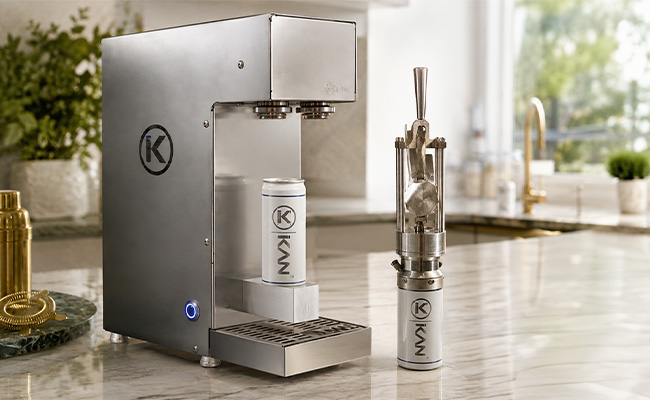
The FENIX Can Filling Head from Eazy Canning is specifically designed to support professional beverage filling while helping preserve product quality. Its reverse-pressure filling system helps reduce oxygen exposure and supports beverages that require careful handling during packaging.
By minimizing oxygen ingress, coffee brands can better preserve flavor, aroma, and freshness throughout the product’s shelf life.
Mistake #2: Poor Seam Quality
Many new beverage producers underestimate the importance of can seams.
The seam is what protects the product after filling.
If the seam is not properly formed, problems can include:
- Leaks
- Contamination
- Loss of carbonation or nitrogen
- Oxygen ingress
- Product spoilage
A poor seam can ruin an otherwise excellent beverage.
How to Avoid It
Invest in reliable can seaming equipment and regularly inspect seam quality.
Proper seam formation requires:
- Correct setup
- Consistent operation
- Routine quality checks
- Well-maintained equipment
The iKAN Can Seaming Machine from Eazy Canning is designed to create professional double seams while maintaining a compact footprint suitable for coffee shops, roasteries, and beverage startups.
Consistent seam quality is one of the most important factors in maintaining product integrity.
Mistake #3: Using Equipment Designed for the Wrong Beverage
Not all beverages behave the same during packaging.
Cold brew coffee, nitro coffee, carbonated beverages, kombucha, and specialty drinks all have unique filling requirements.
Using equipment that is not designed for your product can lead to:
- Excessive foaming
- Product waste
- Inconsistent fills
- Quality issues
Nitro coffee, in particular, requires careful handling to maintain dissolved nitrogen.
How to Avoid It
Choose equipment that matches your beverage type and production goals.
Professional filling systems help manage pressure, reduce foam, and maintain beverage quality throughout the canning process.
Before purchasing equipment, evaluate:
- Beverage characteristics
- Production volume
- Future growth plans
- Packaging requirements
The right equipment can prevent countless operational issues later.
Mistake #4: Skipping Sanitation Procedures
Coffee brands often focus heavily on flavor development while overlooking sanitation.
Even small contamination issues can have serious consequences.
Poor sanitation may lead to:
- Microbial growth
- Product spoilage
- Shelf-life reduction
- Safety concerns
- Damaged brand reputation
Ready-to-drink beverages require strict cleanliness throughout production.
How to Avoid It
Implement comprehensive cleaning procedures.
Best practices include:
- Regular equipment cleaning
- Sanitizing production surfaces
- Monitoring cleaning schedules
- Staff training
- Proper handling protocols
Modern beverage equipment should also support efficient cleaning procedures.
Eazy Canning’s FENIX system incorporates hygienic stainless-steel construction and cleaning-friendly design to support beverage producers in maintaining high sanitation standards.
Mistake #5: Inconsistent Fill Levels
Consumers expect consistency.
A customer who buys two cans of the same product expects them to contain the same amount of beverage.
Inconsistent fill levels can create:
- Customer dissatisfaction
- Regulatory concerns
- Increased product waste
- Production inefficiencies
Fill accuracy also impacts headspace management, which plays a role in preserving product quality.
How to Avoid It
Use filling equipment designed to deliver consistent results.
Monitor production runs regularly and establish quality control checks.
Accurate filling improves:
- Product consistency
- Operational efficiency
- Customer satisfaction
- Packaging reliability
Consistency is a hallmark of professional beverage production.
Mistake #6: Choosing Packaging Based Solely on Cost
Some businesses focus only on upfront packaging costs.
While budget considerations matter, packaging decisions should also account for:
- Product protection
- Shelf life
- Branding opportunities
- Transportation costs
- Customer perception
Choosing the cheapest option can ultimately increase costs through waste, returns, and reduced product quality.
How to Avoid It
Evaluate total value rather than initial cost alone.
Aluminum cans offer numerous advantages for coffee products:
- Excellent light protection
- Strong oxygen barrier
- Durability
- Sustainability benefits
- Reduced transportation costs
For many coffee brands, cans provide the best combination of quality protection and business value.
Mistake #7: Not Planning for Growth
Many coffee businesses launch canned products successfully but quickly encounter production limitations.
Growth can create challenges such as:
- Equipment bottlenecks
- Labor inefficiencies
- Inconsistent production schedules
Businesses often purchase equipment based only on current needs rather than future demand.
How to Avoid It
Think beyond today’s production volume.
Choose equipment that can support growth while remaining practical for current operations.
Compact canning systems provide flexibility because they allow businesses to start small while building scalable production capabilities.
This approach helps reduce risk while supporting long-term expansion.
Mistake #8: Overlooking Product Testing
Excitement around launching a new beverage can sometimes lead brands to skip thorough testing.
However, shelf-life testing and quality evaluations are critical.
Without proper testing, brands may encounter:
- Flavor changes
- Stability issues
- Packaging problems
- Unexpected spoilage
How to Avoid It
Conduct testing before large-scale launches.
Evaluate:
- Flavor stability
- Packaging performance
- Shelf life
- Consumer feedback
Small production runs make testing easier and more affordable before significant investments are made.
Mistake #9: Underestimating the Importance of Packaging Appearance
Customers often make purchasing decisions within seconds.
Packaging plays a major role in those decisions.
Even an excellent coffee product can struggle if the packaging appears unprofessional.
How to Avoid It
Invest in:
- Strong branding
- Clear labeling
- Professional design
- High-quality packaging materials
Cans provide excellent opportunities for eye-catching branding that helps products stand out in crowded retail environments.
Mistake #10: Trying to Do Everything Manually
Manual processes may work at very small volumes, but they often become inefficient as demand grows.
Challenges include:
- Inconsistent results
- Increased labor costs
- Slower production
- Greater risk of human error
How to Avoid It
Introduce equipment that improves consistency and efficiency.
Compact canning solutions provide a practical middle ground between fully manual production and large industrial systems.
For many coffee brands, this approach offers the ideal balance of affordability, flexibility, and professional results.
How Eazy Canning Helps Coffee Brands Avoid These Mistakes
Eazy Canning was created to help beverage producers access professional canning technology without the complexity and expense of large industrial systems.
Their equipment is designed specifically for businesses such as:
- Coffee shops
- Roasteries
- Beverage startups
- Craft beverage producers
- Restaurants and bars
FENIX Can Filling Head
The FENIX helps producers package beverages while minimizing oxygen exposure and maintaining product quality.
Benefits include:
- Reverse-pressure filling technology
- Reduced foaming
- Improved product consistency
- Hygienic design
- Compact footprint
This makes it particularly valuable for cold brew and nitro coffee applications.
iKAN Can Seaming Machine
The iKAN provides professional can sealing capabilities in a compact format.
Key benefits include:
- Reliable double seams
- Easy operation
- Durable construction
- Support for multiple can sizes
- Scalability for growing businesses
Together, the FENIX and iKAN create a complete canning solution that helps coffee brands maintain quality, improve efficiency, and grow with confidence.
Final Thoughts
The ready-to-drink coffee market offers tremendous opportunities, but successful beverage canning requires careful attention to detail.
From oxygen control and seam quality to sanitation and scalability, small mistakes can have a major impact on product quality and profitability.
By understanding the most common beverage canning mistakes and implementing the right processes and equipment, coffee brands can avoid costly setbacks and build products that customers trust.
With compact professional solutions like the FENIX Can Filling Head and iKAN Can Seaming Machine from Eazy Canning, coffee businesses can package cold brew and nitro coffee with greater consistency, maintain product quality, and confidently expand into the growing RTD beverage market.
