
Author: admin
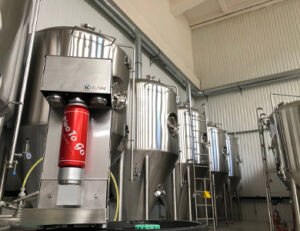
From Local to Global: How Cans and Eazy Canning Empower Growth
The food and beverage industry is changing faster than ever. New consumer preferences, sustainability concerns, and competitive pressures demand packaging that does more than simply contain a product. It must protect, preserve, promote, and perform—all while aligning with environmental goals.
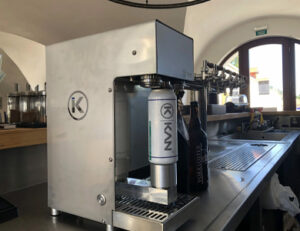
Why Can Seaming Matters More Than You Think
When it comes to beverage packaging, most producers spend the bulk of their time obsessing over recipes, branding, or marketing campaigns. While those elements are undoubtedly important, there’s another part of the process that often gets overlooked—can seaming.
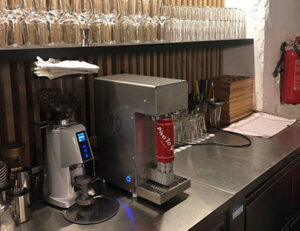
Coffee Shop Canning: How to Preserve Cold-Brew and Nitro Coffee in Cans
Over the past decade, coffee culture has evolved far beyond the traditional espresso or cappuccino. Today, cold-brew and nitro coffee have become staples in cafés across Europe and beyond. Their smooth taste, natural sweetness, and refreshing quality make them a hit with customers year-round, but especially in warmer months.
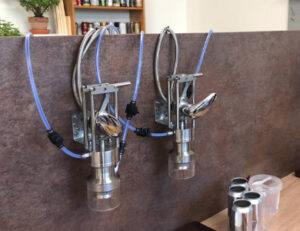
Top FAQs About Starting Your Own Beverage Canning Line
For many beverage entrepreneurs, canning feels like the natural next step in growth. Whether you’re running a coffee shop looking to sell nitro cold brew, a microbrewery ready to expand distribution, or a kombucha startup wanting to reach new markets, canning offers a way to get your drinks into the hands of more customers.
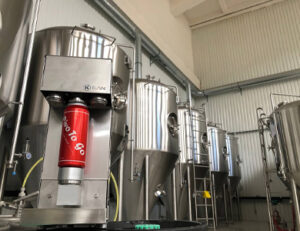
Rethinking Packaging: The Power of Cans and Modern Canning Systems
Today’s sustainability-conscious marketplace chooses the right packaging that can elevate your brand, streamline operations, and appeal directly to environmentally minded consumers. Cans—especially aluminum and steel—have emerged as one of the most versatile, sustainable, and efficient packaging formats.

Understanding the Basics of Manual Can Filling and Seam Sealing
Proper manual can filling and sealing is essential for small and medium-sized producers—whether you’re crafting beer, kombucha, cold brew coffee, cocktails, or canned foods. Solutions from innovators like Eazy Canning serve as excellent examples of how to achieve professional-grade results.
This in-depth guide explains core principles, step-by-step processes, and quality tips for mastering manual canning using equipment like the FENIX filler and iKAN seamer.