
Food Safety & Shelf Life: How Canning Enhances Quality Control
When you’re producing food for sale — whether soups, sauces, beverages, broths, or ready-to-eat meals — quality control isn’t just smart business, it’s essential. Consumers expect products that are safe, delicious, and consistent every time.
One of the most effective ways to ensure that quality is maintained from your kitchen to your customer’s hands is professional canning. This doesn’t just package your product — it protects it. It extends shelf life. It reduces waste. And it makes your offerings more reliable, scalable, and trustworthy.
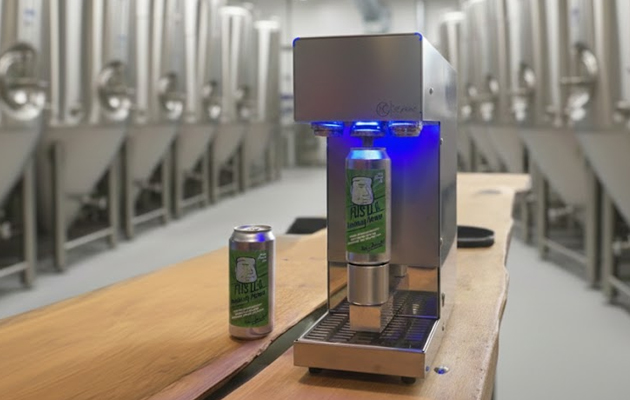
In this article, we’ll explore how canning improves food safety and shelf life, and how solutions like those from Eazy Canning help food entrepreneurs achieve professional quality control without overcomplicated processes.
Why Food Safety & Shelf Life Matter
Food safety and shelf life are central to every food business — whether you’re a restaurant testing canned products, a food startup developing retail offerings, or a small producer selling at markets.
Here’s why they matter:
- Consumer trust — customers expect consistent quality and safety.
- Legal compliance — food safety regulations require producers to validate stability and safety.
- Brand reputation — spoiled or inconsistent products harm customer loyalty.
- Profitability — longer shelf life means less waste and more reliable stock control.
Proper canning is a powerful tool that addresses all of these.
What Happens During Canning
Professional canning involves three key quality control mechanisms:
1. Temperature Management
Controlling temperature during filling and sealing is essential, especially for products with hot-fill, cold-fill, or carbonated components. Incorrect temperatures can lead to:
- microbial growth
- flavor degradation
- compromised texture
Modern canning equipment ensures that product temperature stays within safe ranges throughout the process, protecting stability and quality.
2. Sealing & Oxygen Control
Oxygen is a major enemy of food quality. Too much exposure can lead to:
- oxidation — causing off-flavors
- color changes
- nutrient degradation
- microbial risks in certain environments
Professional canning seals products in an airtight environment. This protects against oxygen exposure and creates barriers against contamination.
3. Shelf Stability
When cans are properly sealed, they offer:
- product freshness for longer periods
- dependable storage without spoilage
- consistent taste and appearance
This stability is especially valuable if you plan to sell your products on retail shelves, in markets, or online — where products travel, sit in storage, and may be consumed weeks or months later.
How Canning Enhances Quality Control
Now let’s dive deeper into how professional canning boosts food safety and prolongs shelf life in practical ways:
Airtight Seals Prevent Contamination
The canning process creates a tight seal that eliminates air and contaminants from entering the package. This is critical for:
- preventing bacterial growth
- avoiding mold formation
- maintaining purity of flavor and aroma
Since cans are hermetically sealed (airtight), they act as a robust barrier — far superior to loose lids or non-sealed packaging. This simple but powerful factor dramatically improves quality control over time.
Consistent Temperature During Processing
Whether you’re hot-filling soups or cold-filling flavored beverages, controlling temperature is non-negotiable.
Professional canning equipment helps you:
- regulate fill temperatures
- reduce thermal stress on the product
- protect nutritional quality
- maintain texture and mouthfeel
This is a major reason why canned foods often have better quality retention than products simply stored in jars or bottles.
Minimal Oxygen Equals Longer Shelf Life
Oxygen in food packages accelerates deterioration. It can:
- dull vibrant colors
- change flavor profiles
- shorten optimal shelf windows
Professional canning removes oxygen from the headspace of the can during the sealing process — a subtle but incredibly impactful step. This helps products stay fresher longer with minimal quality loss.
Cleaner Containers Mean Cleaner Products
Cans are made from materials that are easy to sanitize and keep clean. Unlike porous or irregular surfaces, aluminum cans don’t harbor bacteria or residues that could interfere with product safety.
This means:
- sanitation is simpler
- compliance with safety standards is more reliable
- quality control starts before the first fill
Canning vs. Other Packaging Options
It helps to understand how professional canning stacks up against alternatives:
| Packaging Type | Airtight Seal | Shelf Life | Protection Against Contamination | Ideal For |
| Cans | Yes | Long | Excellent | Soups, sauces, beverages, ready-to-eat |
| Bottles (non-sealed) | No | Short | Limited | Short-term retail |
| Jars | Varies | Medium | Moderate | Small batch artisanal |
| Flexible pouches | ✳ | Varies | Moderate | Liquids & concentrates |
Cans consistently outperform many alternatives when it comes to quality control, shelf stability, and food safety — making them a strong choice for serious food producers.
How Eazy Canning Helps Food Producers Achieve Quality Control
Now let’s talk about how you actually achieve these benefits in a real production environment.
Professional Filling with Temperature Control
Eazy Canning’s systems are built to support temperature-sensitive products — whether hot-fill soups, chilled drinks, or delicate sauces.
By enabling precise control during the filling process, you protect product integrity and ensure every can meets your quality standards.
Reliable, Airtight Sealing
Good seams are not optional — they are the foundation of food safety and shelf life.
Eazy Canning’s seamers deliver:
- airtight sealing
- consistent seam quality
- reduced risk of leaks or spoilage
- professional shelf stability that meets retail expectations
This means your products aren’t just “canned,” they are securely sealed and ready for distribution.
Designed for Small Spaces & Scalable Production
Many food entrepreneurs worry that professional canning means industrial costs and huge lines. Eazy Canning changes that by offering equipment that:
- fits into food production spaces of all sizes
- supports small batch runs
- scales with your business as demand grows
This makes quality control accessible even when you’re just starting — without giving up professional results.
Consistency Across Batches
Because Eazy Canning’s iKAN an Fenix help standardize the filling and sealing process, you get:
- consistent volumes per can
- uniform product quality
- repeatable results batch after batch
This matters for customer trust and brand reputation.
Better Shelf Life Means Broader Distribution Opportunities
When your canned products hold up well over time, you can confidently:
- place them in retail stores
- sell them through online channels
- ship them regionally without quality concerns
- present them at markets and events
That unlocks new revenue streams and takes your products beyond local consumption.
Real Benefits You Can Expect
Here’s what high-quality canning delivers for your business:
- Extended shelf life
- Enhanced food safety and reduced spoilage
- Consistent product quality and performance
- Professional-grade results that meet retail standards
- Customer trust and repeat purchases
- Wider distribution and packaging flexibility
Canning Is a Quality Control Tool, Not Just Packaging
Professional canning does much more than put your product into a container. It:
- protects your food from contamination
- preserves flavor and texture
- extends shelf life for quality you can measure
- supports compliance and customer safety
- gives your brand a competitive edge
For food businesses serious about growth — from startups to established producers — canning is a smart investment.
And when you choose a partner like Eazy Canning, you get tools that help you produce reliably, scale confidently, and protect quality every step of the way.

Leave a Reply