
The Future of Can Filling Technology: Trends to Watch in 2026 and Beyond
The canning industry has undergone tremendous change over the past decade. What began as simple, manual methods has evolved into a spectrum of technologies — from semi-automatic fill heads to sophisticated automated lines with connected sensors and data analytics. Looking ahead to 2026 and beyond, several key trends are emerging that will define how producers package beverages, food, and ready-to-eat goods.
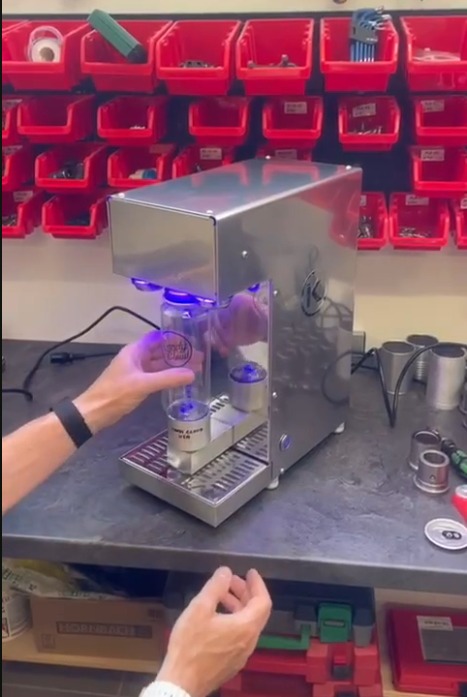
These trends center on automation, sustainability, energy efficiency, and smart technologies — and they aren’t just for large factories anymore. Advancements in compact equipment, like Eazy Canning’s FENIX filling machine, mean even small and medium producers can benefit from tomorrow’s technologies today.
1. Automation: Efficiency, Precision & Scalability
One of the most significant shifts in can filling technology is the ongoing move toward automation. This isn’t just about replacing manual labor — it’s about increasing operational precision, production speed, and quality consistency, especially as demand fluctuates and product lines diversify.
Key Drivers of Automation
- Labor Savings: Automation reduces dependency on manual labor, addressing workforce shortages while minimizing human error.
- Consistency & Quality: Automated systems fill and seal to exact specifications every time, significantly reducing overfill, underfill, and waste.
- Scalability: With automated workflows, producers can adjust output levels quickly to match demand without major retooling.
Smart Technologies Integration
While high-volume factories deploy fully robotic lines with IoT sensors and AI-driven adjustments, trends show even smaller can filling solutions starting to incorporate digital monitoring and predictive maintenance capabilities. Real-time data can help optimize production, reduce downtime, and extend equipment life.
For small producers, manual and semi-automated solutions — like Eazy Canning’s FENIX — represent a practical entry point into these trends: they deliver controlled, precise filling that rivals larger systems, while remaining affordable and flexible.
2. Sustainability – A Core Industry Driver
Sustainability is no longer optional — it’s fundamental to how consumers choose products and how producers define their brand identity. From packaging material to energy consumption, sustainability influences technology choices at every level.
Eco-Friendly Packaging
Aluminum cans are becoming the leading sustainable packaging choice for beverages due to their infinite recyclability and low carbon footprint compared to plastics or glass. Their lightweight nature also reduces transport emissions. These benefits are aligned with broader industry goals to reduce environmental impact and meet consumer expectations for responsible products.
Reducing Waste in Production
Future can filling technologies emphasize precision filling to minimize product giveaway and reduce waste — a priority for sustainability and profitability alike. Machines that reduce overfill and control fill volume precisely help save product, energy, water, and packaging materials, all of which contribute to a smaller environmental footprint.
The FENIX filling head excels in this area because its counter-pressure design and high-precision controls minimize foam and oxidation, reducing product loss and preserving beverage quality during filling.
3. Energy Efficiency – Cutting Costs & Carbon Footprint
With rising energy costs and environmental targets, canning equipment manufacturers are optimizing machines to use less power, less water, and smarter operations.
Energy-Smart Designs
- Efficient motors and control systems reduce energy draw during operation.
- Clean-in-Place (CIP) systems streamline sanitation without complete disassembly, reducing water and labor use.
- Heat recovery and reuse systems (in larger installations) capture and repurpose energy for preheating or sterilization.
While large production lines often implement advanced energy recovery systems, compact solutions like the FENIX machine also contribute to efficiency through thoughtful design: it’s built from food-grade stainless steel for corrosion resistance and easy sanitation, and compatible with CIP for fast, hygienic cleaning — saving both time and resources.
4. Smart & Connected Machinery – The Rise of Data-Driven Production
Another important trend is the integration of Internet of Things (IoT) and big data analytics into can filling systems. Smart machines can provide insights on:
- Pressure and temperature trends
- Fill accuracy and consistency
- Anticipated maintenance needs
- Overall equipment effectiveness (OEE)
These capabilities allow producers to monitor performance remotely, predict part wear before failures occur, and make data-backed decisions that improve uptime and product quality.
While these features are more common in large automated lines, the industry trajectory suggests that even small batching equipment will increasingly incorporate connectivity and data tracking — making advanced production insights accessible to smaller brands and startups.
5. Flexibility & Modularity for New Product Innovation
Today’s beverage makers don’t just produce one product — many shift between beer, cold brew coffee, kombucha, sodas, and even sauces. Emerging technologies prioritize modular designs that handle different viscosities, container sizes, and production volumes with minimal changeovers.
Eazy Canning’s FENIX supports a range of can diameters with customization options and can be configured as a dual-head system to boost output — up to ~150 cans per hour under counter-pressure conditions. This flexibility means producers can experiment with multiple product formats without buying multiple machines.
6. Small-Scale Innovation Meets Future Expectations
Even as automation and smart connectivity evolve, small producers still need affordable, reliable, and scalable equipment. Modern canning machines like Eazy Canning’s FENIX filling head strike this balance by offering:
- Counter-pressure filling up to ~4 bars — ideal for carbonated and delicate beverages.
- Patented clamping system for a secure seal with a single lever movement.
- Professional hygiene standards with Clean-in-Place compatibility.
- Variable throughput tailored to small to medium batch sizes.
- Adaptability for diverse beverage formats.
These advantages make it possible for startups, brewpubs, coffee bars, and craft beverage producers to deliver professional quality packaging while embracing trends that once belonged only to large industrial setups.
The Road Ahead
As we look to 2026 and beyond, the future of can filling technology lies at the intersection of automation, sustainability, energy efficiency, and digital intelligence. Producers who adopt these innovations will:
- Improve efficiency and precision
- Reduce waste and environmental impact
- Respond quickly to market trends
- Scale their operations with confidence
With solutions like Eazy Canning’s FENIX offering modern performance in flexible, accessible formats, small and medium producers are well-positioned to thrive in this evolving landscape. Innovations once reserved for large factories are now within reach — empowering you to produce high-quality canned beverages that meet both consumer expectations and environmental standards.

Leave a Reply