
Aluminum vs Plastic vs Glass: Which Beverage Packaging Is Most Sustainable?
The beverage industry is undergoing a major shift.
For decades, companies mainly focused on packaging that was affordable, convenient, and easy to distribute. Today, sustainability has become one of the most important factors influencing packaging decisions.
Consumers are asking more questions:
- Is this packaging recyclable?
- How much waste does it create?
- Can the material be reused?
- What is the environmental impact throughout its lifecycle?
For beverage producers, choosing the right packaging is no longer only a branding decision—it is a business and environmental decision.
Among the most common beverage packaging options, plastic bottles, glass bottles, and aluminum cans, aluminum has become one of the strongest choices for companies looking for a more sustainable solution.
Its advantages include:
- high recycling rates
- strong recycled content
- lightweight transportation
- efficient storage
- true circular recycling potential
For breweries, coffee companies, RTD beverage brands, and startups, aluminum cans offer a balance between sustainability, practicality, and commercial performance.
Eazy Canning helps beverage producers take advantage of this shift by making professional canning technology accessible to smaller businesses.
Why Beverage Packaging Sustainability Matters
Packaging represents a significant part of a beverage product’s environmental footprint.
A drink is not only about the ingredients inside. It also includes:
- raw material extraction
- manufacturing
- transportation
- storage
- recycling or disposal
A beverage brand may have an excellent sustainability mission, but the packaging choice can influence whether that mission is truly achieved.
For modern beverage producers, sustainable packaging can also become a competitive advantage.
Consumers increasingly prefer brands that demonstrate environmental responsibility.
Research from NielsenIQ shows that sustainability continues to influence consumer purchasing decisions, especially among younger generations who actively look for brands aligned with their values.
This is particularly important for specialty beverage categories such as:
- craft coffee
- cold brew
- kombucha
- functional drinks
- premium soft drinks
- craft beer
These industries are built around authenticity, quality, and conscious consumer choices.
1. Aluminum Can Be Recycled Repeatedly
One of the biggest advantages of aluminum is its ability to return to the production cycle.
Unlike many materials that lose quality during recycling, aluminum maintains its properties.
The Aluminum Association describes aluminum cans as part of a true closed-loop recycling system, where used cans can become new cans again.
This creates a circular model:
Used can → recycled aluminum → new can → recycled again
The material remains valuable instead of becoming waste.
High Recycled Content
Aluminum beverage cans contain significantly more recycled material compared with competing packaging types.
According to the Aluminum Association, aluminum cans in the United States contain approximately 71% recycled content, compared with much lower levels for plastic bottles.
This reduces the need for producing new aluminum from raw materials.
Lower Transportation Impact
Weight plays an important role in beverage sustainability.
A packaging material that is lighter requires:
- less fuel during transportation
- fewer emissions during shipping
- easier warehouse handling
Aluminum cans are lightweight, stack efficiently, and allow companies to transport more beverages using less space.
The Aluminum Association highlights that aluminum cans have become lighter over time while maintaining strength and performance.
Strong Recycling Value
Another important difference is economic value.
Recycling systems work better when collected materials have financial value.
Aluminum remains one of the most valuable materials in recycling streams, helping support collection and processing systems.
This creates a stronger incentive for recycling compared with lower-value materials.
Plastic Bottles: Convenient but Challenging
Plastic has become popular because it is:
- inexpensive
- lightweight
- flexible
- easy to manufacture
For many years, plastic bottles were the default choice for beverage companies.
However, sustainability concerns have increased because of several challenges.
1. Lower Recycling Rates
Plastic recycling remains complicated.
Issues include:
- contamination
- different plastic types
- lower economic value
- limited recycling infrastructure
According to data from the Aluminum Association and Can Manufacturers Institute, PET plastic beverage bottles have lower recycling rates compared with aluminum cans.
Limited Recycling Cycles
Unlike aluminum, plastic generally cannot be recycled indefinitely without quality loss.
Many plastic materials are eventually downcycled into lower-value products rather than returning to the same packaging cycle.
This makes it more difficult to create a true circular economy.
Consumer Perception Challenges
Consumers increasingly associate plastic packaging with environmental concerns.
Issues such as:
- plastic waste
- ocean pollution
- microplastic concerns
have influenced how customers view plastic packaging.
For premium beverage brands, packaging choice can directly affect brand perception.
Glass Bottles: Sustainable Reputation, Practical Challenges
Glass has traditionally been viewed as an environmentally friendly option.
Consumers often associate glass with:
- premium quality
- reusability
- recyclability
However, sustainability depends on the entire lifecycle.
1. Heavy Transportation Weight
One of the biggest disadvantages of glass is weight.
Compared with aluminum cans, glass bottles require:
- more energy to transport
- more fuel
- stronger packaging protection
For beverage brands distributing products over longer distances, transportation impact becomes significant.
2. Higher Energy Requirements
Glass production requires extremely high temperatures.
The manufacturing process involves melting raw materials at temperatures exceeding 1,000°C.
This creates a significant energy demand.
3. Recycling Challenges
Although glass is recyclable, recycling systems vary significantly by region.
Glass can also break during collection and transportation, reducing efficiency.
Research published in the Journal of Cleaner Production examined consumer perceptions versus actual environmental impacts of beverage packaging and found that glass is often perceived as more sustainable than lifecycle assessments suggest.
Sustainability Data Comparison
| Factor | Aluminum Cans | Plastic Bottles | Glass Bottles |
| Recycling potential | Excellent | Limited | Good |
| Recycled content | High | Lower | Moderate |
| Lightweight | Excellent | Excellent | Poor |
| Transport efficiency | Excellent | Good | Poor |
| Closed-loop recycling | Strong | Limited | Variable |
| Retail convenience | Excellent | Excellent | Moderate |
| Premium brand perception | Strong | Moderate | Strong |
How Eazy Canning Supports Sustainable Beverage Production
Choosing aluminum packaging is only one part of creating a sustainable beverage business.
Production methods also matter.
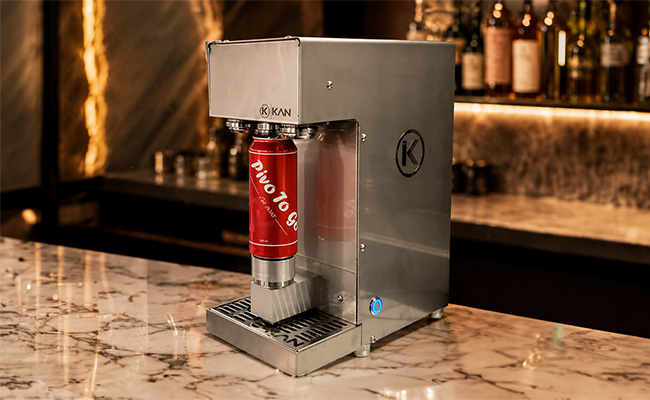
We help beverage companies bring canning operations in-house with compact filling and seaming solutions.
This allows businesses to:
- produce closer to their customers
- reduce dependence on external packaging partners
- create smaller production runs
- test products efficiently
Compact canning equipment helps smaller brands access the same packaging format used by major beverage companies without requiring large industrial facilities.
The Future of Beverage Packaging
The beverage industry is moving toward:
- recyclable materials
- circular packaging systems
- local production
- premium convenience products
While every packaging material has advantages and limitations, aluminum cans provide one of the strongest sustainability profiles available today.
For beverage producers looking to balance environmental responsibility, operational efficiency, and consumer expectations, aluminum represents the most practical choice.
The future of beverages is not only about what is inside the container.
It is also about choosing a container that supports a more sustainable system.
Whether you are launching canned cold brew, expanding a brewery, or creating a new RTD beverage, choosing the right packaging can shape your brand’s future.
With our compact filling and seaming solutions, businesses can create professional canned beverages while taking advantage of one of the most sustainable packaging formats available.
Explore Eazy Canning solutions and start building your next-generation beverage brand.
