
Manual Can Filling Valve for Carbonated Drinks: How Small Producers Achieve Professional Results
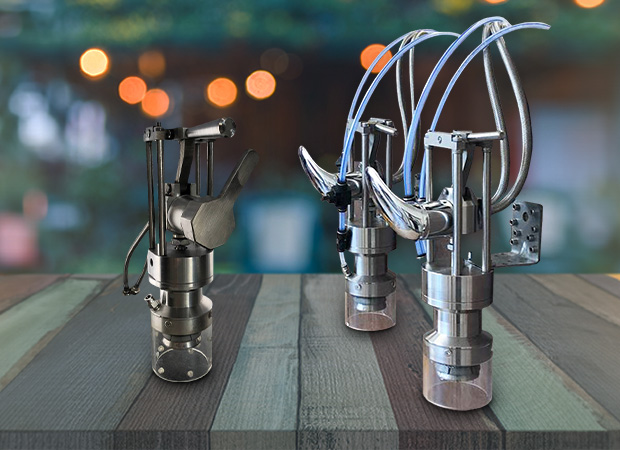
For small beverage producers, one of the biggest challenges is learning how to fill carbonated drinks without losing carbonation or creating foam. Whether you produce craft beer, kombucha, or sparkling beverages, maintaining pressure during filling is critical.
A manual can filling valve for carbonated beverages offers a cost-effective solution that delivers professional results without investing in large-scale automated systems.
Why Filling Carbonated Drinks Is Difficult
Unlike still liquids, carbonated beverages must be filled under pressure. Without proper equipment, producers often face:
- Loss of carbonation (flat product)
- Excess foam during filling
- Inconsistent fill levels
- Oxygen exposure reducing shelf life
These issues directly impact product quality, customer satisfaction, and brand reputation.
What Is a Manual Can Filling Valve?
A manual can filling valve is a device designed to fill carbonated beverages into cans while maintaining internal pressure.
Unlike traditional methods, it allows you to:
- Control pressure during filling
- Minimize oxygen exposure
- Reduce foam and product loss
- Achieve consistent results
One of the most effective solutions on the market is the FENIX Manual Filling Valve, specifically designed for small-scale producers.
How the FENIX Manual Filling Valve Works
The FENIX system operates under pressure (up to 4 bars), allowing beverages to be transferred into cans without releasing CO₂.
Key features:
- Pressure-controlled filling – maintains carbonation
- Secure clamping system – prevents leaks and splashes
- Internal opening mechanism – reduces foam and oxygen contact
- Manual precision control – ensures consistent results
This combination allows small producers to replicate results typically achieved by industrial canning lines.
Step-by-Step: How to Fill Carbonated Beverages Without Foam
Here is a simplified process using a manual filling valve:
- Prepare the can – ensure it is clean and properly positioned
- Clamp the valve securely – create a sealed environment
- Pressurize the can – match internal pressure with the beverage tank
- Start filling slowly – avoid sudden pressure drops
- Release pressure gradually – prevent foam overflow
- Seal immediately – preserve carbonation and freshness
This method significantly reduces foam and CO₂ loss compared to open filling techniques.
Benefits for Small Beverage Producers
1. Maintain Carbonation Quality
Filling under pressure keeps CO₂ intact, ensuring your drink tastes exactly as intended.
2. Reduce Product Waste
Less foam means less overflow and higher efficiency per batch.
3. Achieve Consistent Results
Each can has the same fill level, pressure, and quality.
4. Cost-Effective Alternative to Automation
Manual systems cost significantly less than full canning lines.
5. Ideal for Small Spaces
Compact equipment fits easily into small production facilities.
Manual vs Traditional Filling Methods
| Feature | Manual Filling Valve | Open Filling |
|---|---|---|
| Carbonation retention | High | Low |
| Foam control | Excellent | Poor |
| Oxygen exposure | Minimal | High |
| Consistency | High | Low |
| Cost | Low | Low |
Who Should Use a Manual Filling Valve?
This solution is ideal for:
- Craft breweries
- Kombucha producers
- Sparkling water brands
- Soda manufacturers
- Small batch and pilot facilities
If you are scaling production but not ready for automation, this is the best transition solution.
Real Production Insight
Small producers using pressure filling systems report:
- Up to 80% reduction in foam loss
- Improved shelf life due to lower oxygen exposure
- More consistent customer experience
These improvements directly impact profitability and brand perception.
Why the FENIX Valve Stands Out
The FENIX manual filling valve is specifically engineered for:
- Small-scale operations
- Easy integration with existing setups
- High-pressure performance (up to 4 bars)
It bridges the gap between manual processes and industrial equipment, making it a practical investment for growing beverage businesses.
Conclusion
If you want to fill carbonated beverages without foam, maintain CO₂ levels, and achieve professional results, a manual can filling valve is essential.
The FENIX system gives small producers the ability to:
- Improve product quality
- Reduce waste
- Scale efficiently
Without the cost and complexity of automated canning lines.
FAQ
What is the best way to fill carbonated drinks into cans?
The best method is pressure filling using a manual can filling valve, which prevents CO₂ loss and minimizes foam.
Can you fill carbonated beverages manually?
Yes, using a manual filling valve designed for pressurized liquids, you can achieve professional results without automated equipment.
How do you prevent foam when filling cans?
Foam is reduced by:
- Matching pressure levels
- Filling slowly
- Using sealed systems like FENIX
What pressure is needed for filling carbonated drinks?
Typically between 2–4 bars, depending on the beverage type.
Is a manual filling valve worth it for small producers?
Yes — it is a cost-effective solution that improves quality, reduces waste, and increases consistency.

Leave a Reply