
What Equipment Does a Beverage Startup Need?
A beverage startup typically needs beverage preparation equipment, a suitable can filler, a can seamer, cleaning and sanitation equipment, and packaging equipment such as labeling and date coding. The exact setup depends on the beverage, production volume, can size, and whether you are producing in-house or using a co-packer.
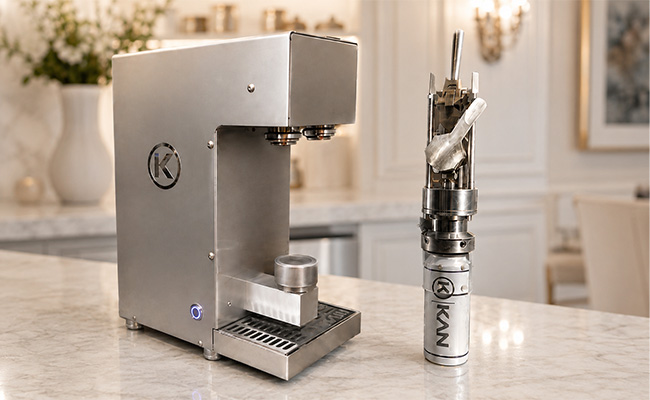
For startups producing small batches, you do not necessarily need a complete automated canning line. Compact equipment can allow you to test products, produce samples, launch limited runs, and increase production as demand grows. Eazy Canning’s FENIX can filler and iKAN can seamer are designed specifically for this type of small- and medium-scale production.
1. Beverage Preparation Equipment
Before filling cans, you need equipment appropriate for making and preparing your beverage.
Depending on the product, this may include:
- Mixing or brewing tanks
- Fermentation equipment
- Filtration equipment
- Carbonation equipment
- Refrigeration or cooling systems
- Storage tanks
The requirements are different for a craft beer, kombucha, cold brew, sparkling drink, cocktail, or other ready-to-drink beverage.
The key is to make sure the product is ready for the filling process before it reaches the canning equipment.
2. Can Filler
A can filler transfers the finished beverage into empty cans.
For carbonated beverages, counter-pressure filling is particularly useful because it allows the can to be filled while maintaining pressure. This helps minimize foaming, product loss, and oxygen pickup.
FENIX Can Filler
Eazy Canning’s FENIX is a fully manual reverse-pressure filling head designed for carbonated beverages.
Key specifications include:
- Up to 4 bar operating pressure
- Approximately 3–4 cans per minute per head
- Up to 100–150 cans per hour with a dual-head configuration
- Standard 202-diameter cans
- Food-grade stainless-steel construction
- Fully CIP-compatible cleaning
- Weight of approximately 4.3 kg
The FENIX is aimed at beverage startups, microbreweries, coffee shops, restaurants and bars, and other small producers that need controlled filling without investing in a large automated line.
3. Can Seamer
After filling, the can needs to be closed.
A can seamer attaches the aluminum lid to the can body and forms the final seam. This is an essential part of creating a properly sealed, professional package.
iKAN Can Seamer
Eazy Canning’s iKAN is a compact tabletop can-seaming machine designed for small-batch production.
It offers:
- Up to 10 cans per minute
- Compatibility with cans from approximately 200 ml to 1000 ml
- Can diameters from 200–209 mm
- Food-grade 304 stainless-steel construction
- Professional-grade chucks and rolls
- Compact tabletop dimensions
- 230V/50Hz, 90W power requirements
- Approximately 18 kg weight
The iKAN is particularly useful when a startup wants to move from prototypes and samples toward small commercial production without purchasing a large automated canning line.
4. Cleaning and Sanitation Equipment
Cleaning should be part of the equipment plan from the beginning.
Any equipment that comes into contact with the beverage needs an appropriate cleaning and sanitation process. This is particularly important when producing multiple batches or switching between products.
The FENIX is designed to be CIP-compatible, allowing cleaning to be integrated into the production workflow without requiring complete disassembly.
Your broader setup may also require:
- Cleaning tanks
- Hoses and fittings
- Sanitizing equipment
- Food-safe cleaning chemicals
- Drainage and wastewater provisions
The exact requirements depend on your facility and beverage-production process.
5. Labeling and Date Coding
Once the can is filled and sealed, it may need branding and product information.
Depending on your market and packaging requirements, you may need:
- Can labels or printed cans
- Batch or lot coding
- Production dates
- Best-before dates
- Barcode printing
- Other required product information
These systems do not necessarily need to be highly automated when you are starting. A startup can begin with simpler packaging solutions and upgrade as production volume increases.
6. Quality-Control Equipment
A beverage startup should also plan for quality control.
The equipment required depends on the product, but quality checks may include:
- Fill-volume checks
- Seam inspection
- Carbonation checks
- pH measurement
- Temperature monitoring
- Packaging inspection
- Product and batch tracking
For canned beverages, the can seam is particularly important. A properly formed seam helps create a secure closure and prevent leaks.
7. Packaging and Storage
You also need somewhere to store:
- Empty cans
- Can ends/lids
- Ingredients
- Packaging materials
- Finished products
A startup should consider both production space and storage space when planning its equipment.
One advantage of compact canning equipment is that it can fit into relatively small production environments. Eazy Canning positions the iKAN and FENIX as solutions for startups that want professional canning without the space and cost requirements of a large industrial line.
What Is the Minimum Equipment a Beverage Startup Needs?
If the beverage itself is already prepared, a basic in-house canning setup can be relatively simple:
Prepared beverage → Can filler → Can seamer → Quality check → Label/coding → Storage
For carbonated beverages, the FENIX + iKAN combination covers the two central canning stages:
FENIX: fills the can under counter-pressure.
iKAN: seals the filled can with a professional seam.
However, these machines do not replace beverage-production, cleaning, quality-control, labeling, or storage equipment. A complete production setup should be planned around the entire workflow.
Do You Need an Automated Canning Line?
Not necessarily.
A startup that is still testing its product may not need the capacity or cost of a fully automated line.
Compact manual equipment can be useful for:
- Product development
- Pilot batches
- Retail samples
- Events and tastings
- Limited-edition drinks
- Early commercial production
- Testing different flavors and can sizes
Eazy Canning specifically positions its equipment as a way for beverage startups to test products, produce samples, launch limited production runs, and increase capacity as demand develops.
This means you can start with a smaller setup and expand when your production requirements justify additional automation.
Beverage Startup Equipment Checklist
Before purchasing equipment, consider this basic checklist:
- Beverage preparation: mixing, brewing, fermentation, or other product-specific equipment
- Filling: suitable can filler, such as FENIX for counter-pressure applications
- Seaming: can seamer, such as iKAN
- Cleaning: sanitation and cleaning system
- Quality control: tools for product and packaging checks
- Coding: batch and date coding
- Labeling: labels or other branding solutions
- Storage: ingredients, empty cans, packaging, and finished products
The right setup depends more on your beverage and production goals than on simply buying the most equipment possible.
Final Takeaway
A beverage startup does not necessarily need a large industrial canning line to begin selling canned products.
The essential equipment depends on your production process, but an in-house setup commonly includes beverage preparation, filling, seaming, cleaning, quality control, labeling, coding, and storage.
For startups producing small batches, Eazy Canning’s FENIX filler and iKAN seamer provide a compact way to handle the filling and sealing stages in-house. FENIX is designed for counter-pressure filling of carbonated beverages, while iKAN handles the final can-seaming process.
Starting with the equipment you actually need can help you test the market, control smaller production runs, and add capacity as your beverage business grows.
