
Will These Cans Work With My Seamer? A Can and Lid Compatibility Checklist
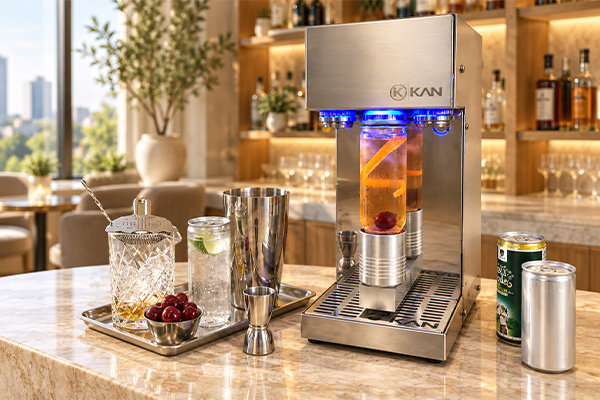
Before ordering hundreds or thousands of empty cans, confirm that the can body, lid or can end, seamer tooling, and filling equipment are compatible. Can volume alone does not establish compatibility. You also need to verify the can’s dimensions and format, the exact end specification, and the requirements of the machines you plan to use.
For beverage startups, craft breweries, coffee roasters, and small manufacturers, checking these details before placing a bulk order can help prevent wasted packaging, failed trial runs, and unexpected equipment costs. The safest approach is to obtain the technical specifications, ask the equipment manufacturer to confirm the exact combination, and test representative samples before scaling production.
Key Takeaways
- Match the can body and end to the seamer. The can and end must suit the chuck, seaming rolls, and other required components.
- Do not rely on volume or appearance alone. Two cans with the same capacity may have different dimensions or closure specifications.
- Check filling and seaming separately. A can that fits a seamer may not fit the filling head.
- Request written confirmation for the exact format. Published product ranges are a starting point, not proof that every can-and-end combination is supported.
- Run a representative trial before ordering in bulk. Check filling performance and verify seam quality using the equipment and packaging manufacturers’ applicable procedures.
At a Glance: What Must Be Compatible?
| Component | What to verify | Why it matters |
| Can body | Manufacturer, product reference, dimensions, height, and format | The container must fit and be positioned correctly in the equipment. |
| Lid or can end | Exact reference, dimensions, profile, and intended can body | The end must match both the container and the seaming tooling. |
| Seamer tooling | Chuck, seaming rolls, support components, and required settings | These components form the double seam and must suit the selected package. |
| Filling equipment | Supported can format, fit, and positioning requirements | Filling equipment has separate contact and fit requirements. |
| Beverage and lining | Product formulation, can material, lining, and storage conditions | Packaging suitability affects product quality and package integrity. |
| Validation | Trial results and seam-inspection requirements | Physical fit alone does not prove that a seam meets the required specifications. |
What Makes a Can Compatible With a Seamer?
Can compatibility depends on the design of the container, the lid or end, and the seaming equipment used to close it.
A standard beverage can consists of a can body and an end, commonly called a lid. After filling, a seamer joins the end to the body by forming a double seam. The seaming chuck supports and centers the end, while the seaming rolls form the closure. Incorrect or mismatched components can result in a defective seam.
For an introduction to the main double-seam components and common defects, see the Association of Food and Drug Officials’ guide to double-seam containers.
Important canning terms
| Term | What it means | Why it matters |
| Can body | The main container that holds the beverage | Its dimensions and design must suit the equipment. |
| Can end or lid | The component attached after filling | Its dimensions and profile must match the can and seaming tooling. |
| Can volume | The amount the container can hold, such as 330 ml or 500 ml | Capacity alone does not establish mechanical compatibility. |
| Format or size designation | A supplier’s label or code for a can or end format | Confirm what the code represents; do not automatically interpret it as a measurement in millimeters. |
| Seaming chuck | The component that supports and centers the can end during seaming | It must be suitable for the relevant end design. |
| Seaming rolls | Components that form the double seam | Their profiles and settings must suit the can-and-end combination. |
| Double seam | The mechanical closure joining the can body and end | Its integrity must be verified against the applicable specifications. |
| Filling head | Equipment that introduces the beverage into the can | It has separate requirements for can fit and the filling process. |
Keep volume, physical dimensions, and format codes separate. A 330 ml can designation does not tell you its exact height, body diameter, end profile, or tooling requirements. Ask the packaging supplier for the technical drawing or specification sheet for the exact components you plan to buy.
What Specifications Should You Check Before Buying Cans?
Collect the details below for the can body, lid or end, and equipment before ordering packaging. The packaging supplier and machine manufacturer should be able to provide the relevant technical drawings, data sheets, or compatibility guidance.
| Specification | What to confirm | Why it matters |
| Can volume | Intended capacity in ml | Confirms the required package volume, but not mechanical compatibility. |
| Can body dimensions | Exact body diameter or format, height, and relevant drawing dimensions | Determines fit, positioning, and clearance. |
| Can-end specification | Manufacturer, product reference, size designation, profile, and drawing | Confirms that the end is intended for the selected can and tooling. |
| Seamer tooling | Chuck, seaming rolls, support components, and any format-specific setup | Ensures the machine can form the intended seam. |
| Filler compatibility | Supported can formats, dimensions, and positioning requirements | Confirms that the container can be positioned and filled correctly. |
| Material and internal lining | Compatibility with the beverage formulation and storage conditions | Helps address corrosion, product quality, and package integrity. |
| Validation requirements | Setup procedure, seam-inspection method, and acceptance criteria | Defines how the proposed package will be checked before routine production. |
Why does the lid specification matter as much as the can body?
A lid that appears to fit the can opening is not necessarily suitable for the seamer. The end’s dimensions and profile determine how it engages with the chuck and seaming rolls. Different end designs may need different tooling or settings, even when the cans look similar.
Ask the can supplier for the technical specification of the exact end you intend to use. Do not select lids based only on appearance, nominal can volume, or a general statement that they are intended for beverage cans.
Are Eazy Canning’s FENIX and iKAN Compatible With Your Can Format?
Eazy Canning offers two machines for different stages of the canning process: FENIX for filling and iKAN for seaming. Each machine has its own compatibility requirements. If you intend to use both, confirm the proposed can format for each machine individually.
FENIX: Check compatibility before filling
The FENIX beverage filling head is designed for counter-pressure filling, particularly for carbonated beverages. Eazy Canning lists the standard format as 202 DIA, with custom sizes available upon request. Treat this as the published starting point, then confirm the exact can specification with Eazy Canning before ordering.
Before purchasing cans for FENIX, confirm:
- The exact can manufacturer, product reference, and format designation.
- That the can’s dimensions and opening suit the intended FENIX configuration.
- Whether a custom configuration is available and what it requires.
- That the filling method and operating conditions are suitable for your beverage.
FENIX supports counter-pressure filling up to 4 bar, according to its product page. That specification does not mean every beverage or can format is automatically suitable for the machine.
iKAN: Check the can and end against the seamer
The iKAN tabletop can seamer is designed for small and medium production. Eazy Canning lists supported can volumes of approximately 200–1,000 ml and a 200–209 range for can size/diameter. Confirm how that range applies to the exact format you intend to use, and do not assume that a published range guarantees compatibility with every can-and-end combination within it.
Before purchasing, ask Eazy Canning to confirm:
- Whether the exact can body and end are supported.
- Whether the supplied chuck, seaming rolls, and other tooling suit that combination.
- Whether additional tooling, adjustments, or configuration changes are needed.
- Which setup, testing, and seam-inspection steps are required before production.
The key distinction: FENIX filling compatibility and iKAN seaming compatibility are separate checks. A format that can be seamed on iKAN is not automatically suitable for FENIX. If you plan to use both machines, obtain confirmation for the complete workflow.
Can and Lid Compatibility Checklist
Use this checklist before placing a packaging order or switching suppliers.
Can body
- Confirm the can manufacturer and exact product reference.
- Record the nominal volume, format designation, relevant dimensions, and height.
- Obtain the can body’s technical drawing or specification sheet.
- Confirm that the can fits the intended filling equipment.
- Verify that the can material and internal lining are appropriate for the beverage and storage conditions.
Lid or can end
- Confirm the end manufacturer, exact product reference, and technical specification.
- Check that the end is designed for the selected can body.
- Confirm compatibility with the seamer’s chuck and seaming rolls.
- Ask whether the end design requires specific tooling or settings.
- Confirm that the can-and-end combination is suitable for the intended packaging application.
Seaming equipment
- Identify the seamer model and its supported can-and-end combinations.
- Confirm chuck, seaming-roll, and support-component compatibility.
- Ask whether a tooling change or adjustment is needed.
- Obtain the relevant setup instructions and seam-inspection requirements.
- Arrange a representative test before committing to bulk production.
Filling equipment
- Confirm that the can format fits the filling head.
- Check dimensional, opening, clearance, and positioning requirements with the manufacturer.
- Verify that the filling method suits the beverage, including carbonation or other relevant product characteristics.
- Confirm any additional cleaning, operation, or product-handling requirements.
If any item remains uncertain, resolve it with the relevant supplier before placing the order. A compatibility check in advance is easier to manage than discovering a mismatch during production.
Practical Example: Ordering 330 ml Beverage Cans
Imagine a beverage startup planning to package a drink in 330 ml aluminum cans. A supplier offers a can with an end described using a 202 designation, and the startup plans to fill the cans with FENIX and close them with iKAN.
Does that information alone confirm compatibility? No. The volume and designation are useful starting points, but they do not establish that the can body, end, filler, and seamer tooling all match.
The startup should complete three checks:
1. Confirm filling compatibility. Send the can specification to Eazy Canning and confirm that the can body and opening suit the intended FENIX configuration. The published standard is listed as 202 DIA, but the exact container specification should still be checked.
2. Confirm seaming compatibility. Provide the can-body and end specifications to the iKAN supplier. Ask them to confirm that the chuck, seaming rolls, and required settings support this exact combination. A 330 ml capacity or a similar-looking end is not enough.
3. Test the complete process. Obtain samples of the exact can and end, run a representative trial, confirm that filling and transfer work as expected, and verify seam quality using the applicable specifications and inspection procedure.
Treat the format as approved for routine production only after the compatibility checks and required validation have been completed. Use the same process when switching suppliers: two cans may have the same volume and similar appearance without sharing all the specifications needed for compatible filling and seaming.
What Should You Ask Your Can Supplier and Equipment Manufacturer?
Send the same technical information to the packaging supplier and the relevant equipment manufacturer so they can assess the exact combination.
Subject: Can and Lid Compatibility Confirmation
We are planning to package our beverage in the following format:
- Can volume: [e.g., 330 ml]
- Can manufacturer and product reference: [details]
- Can format designation and dimensions: [details]
- Can height: [details]
- Lid or end manufacturer and reference: [details]
- Filling equipment: Eazy Canning FENIX or [other model]
- Seaming equipment: Eazy Canning iKAN or [other model]
- Beverage type: [e.g., carbonated drink, cold brew coffee]
Could you confirm whether this exact can-body and end combination is compatible with the intended filling and seaming equipment? Please identify any additional tooling, configuration requirements, technical specifications, or validation steps needed before production.
We can provide technical drawings and samples if required. Please also share the relevant setup instructions and seam-inspection criteria for this combination.
Attach the available technical drawings or specification sheets when making the request. Clear documentation helps identify mismatches before packaging materials are ordered.
What Can Happen If You Use Incompatible Cans or Lids?
A compatibility problem affects more than whether a can physically fits into the machine.
| Potential problem | Why it matters |
| Can does not fit the filling head | The container may not position or seal correctly during filling. |
| End does not match the seaming tooling | The machine may fail to form a seam that meets the required specifications. |
| Incorrect tooling or settings | The seam may not meet the applicable dimensional or quality requirements. |
| Incompatible can lining | The beverage may affect packaging integrity or product quality. |
| Unverified format change | Existing setup settings and inspection results may not apply to the new combination. |
A seam that looks acceptable from the outside does not necessarily prove that it meets the required specifications. Follow the can and end manufacturers’ recommendations for setup and inspection, and involve a qualified packaging technician where appropriate.
Equipment compatibility alone also does not validate the beverage’s shelf life or food safety. Products requiring validated processing or specific storage conditions need separate assessment for the particular formulation and process.
Frequently Asked Questions
Can two cans with the same volume use the same seamer?
Not necessarily. Cans with the same capacity can have different body dimensions, heights, end specifications, or tooling requirements. Confirm the exact can-and-end combination with the equipment manufacturer.
Does a compatible lid automatically fit any seamer?
No. The lid must be designed for the can body and supported by the seamer’s chuck, rolls, and associated tooling. Similar-looking lids are not proof of compatibility.
Can iKAN seam every can between 200 ml and 1,000 ml?
Eazy Canning lists a supported volume range of approximately 200–1,000 ml and a 200–209 size/diameter range for iKAN. These published ranges do not guarantee that every can design and lid combination within them is supported. Confirm the exact format and tooling with Eazy Canning.
Does FENIX support every can format?
No universal compatibility should be assumed. Eazy Canning lists the standard FENIX format as 202 DIA and notes that custom sizes may be available upon request. Confirm the precise format and configuration before ordering cans.
Do I need to check the filler if the seamer already accepts the can?
Yes. Filling and seaming involve different interfaces. Confirm that the can fits the filling head as well as the seamer, and verify that the filling method is suitable for your beverage.
Should I test cans before buying in bulk?
Yes. Obtain samples of the exact can and end, confirm equipment compatibility, and conduct a representative trial. Verify filling performance and seam quality before committing to a large order.
What information should I send Eazy Canning to confirm compatibility?
Provide the can manufacturer and product reference, volume, format designation, relevant dimensions and height, lid or end specification, and the model of each machine you plan to use. Technical drawings and samples can help confirm the exact combination.
Does machine compatibility mean the beverage will be shelf-stable?
No. A machine’s ability to fill or seam a can does not validate the product’s processing method, shelf life, or storage conditions. These requirements depend on the beverage and its process and must be assessed separately.
Final Takeaway
Before ordering cans and lids, verify compatibility among the can body, end, filling equipment, and seaming tooling. Can volume alone does not confirm that the complete packaging system will work.
Eazy Canning’s FENIX filling head and iKAN can seamer serve different stages of the process, so each needs its own compatibility check. Send your suppliers the exact technical specifications, confirm any tooling requirements, and test the selected combination before scaling production.
If you are still choosing a package format, read Eazy Canning’s guide to choosing a can size for a new beverage brand. For broader production planning, see what equipment a beverage startup needs to start canning. If you are unsure whether your chosen format will work with FENIX or iKAN, contact Eazy Canning with the supplier’s technical specifications before placing the order.
