
Category: blog
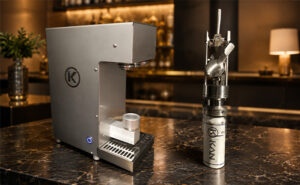
What Equipment Does a Beverage Startup Actually Need to Start Canning?
Starting a beverage brand is one thing. Producing that beverage consistently in cans is another.
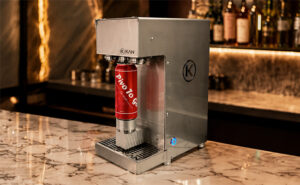
Aluminum vs Plastic vs Glass: Which Beverage Packaging Is Most Sustainable?
For decades, companies mainly focused on packaging that was affordable, convenient, and easy to distribute.
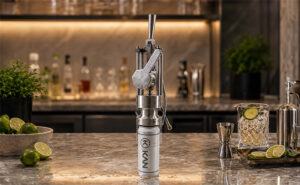
From Café to Supermarket: Scaling Your Coffee Brand With Canning
For years, coffee shops have focused on one primary goal: serving exceptional coffee to customers who walk through the door.
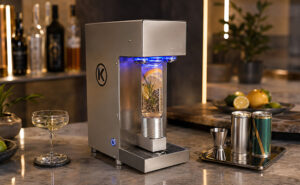
Why In-House Canning Is Becoming More Common
The way beverages are produced is changing. In the past, launching a canned drink usually required large factories, expensive equipment, and partnerships with major manufacturers.
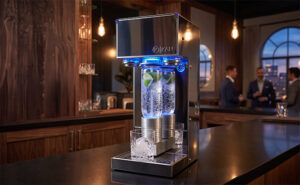
Can Small Businesses Produce Retail-Ready Canned Drinks?
There is nothing quite like the rush of imagining your own beverage sitting on a retail shelf. Your signature cold brew in a local supermarket. A velvety nitro coffee stocked in a convenience store fridge. A drink you created being enjoyed across three different cities instead of just over your own café counter.
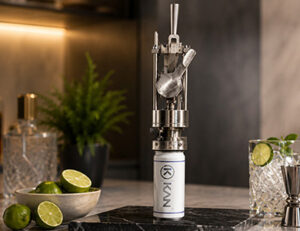
Why Great Drinks Fail: Packaging Mistakes That Hurt New Beverage Brands
Formulating a great drink is incredibly tough. Whether you’re perfecting a smooth cold brew, a velvety nitro coffee, a crisp craft soda, or a functional wellness blend, nailing a recipe takes serious time, creativity, and endless rounds of trial and error.