
Aluminum vs Plastic: Which Material Has Better Recycling Potential?
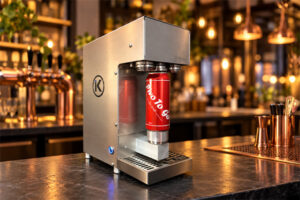
For beverage packaging, aluminum generally has greater recycling potential than plastic, particularly when comparing aluminum cans with PET beverage bottles. Aluminum can be recycled repeatedly without losing its basic material properties, and beverage cans have a well-established recycling stream.
How to Choose a Can Size for a New Beverage Brand
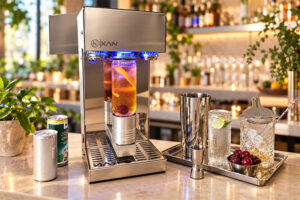
Choosing the right can size for a new beverage depends on more than how much liquid the can holds. The right format should match your product positioning, target price, serving occasion, retail strategy, shipping costs, and consumer expectations.
The Growth of Ready-to-Drink Beverages: What It Means for Beverage Brands
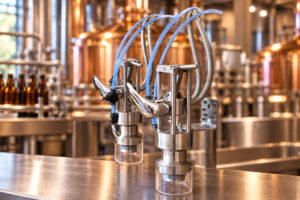
Ready-to-drink (RTD) beverages are growing because consumers increasingly want products that combine convenience, portability, familiar consumption occasions, and added value such as functional ingredients.
How Many Cans Should a Beverage Startup Produce for Its First Test Batch?
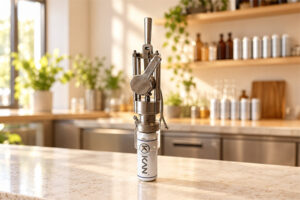
Produce too little, and you may not collect enough feedback or reach enough customers. Produce too much, and you could end up with excess inventory before you know whether the market wants your product.
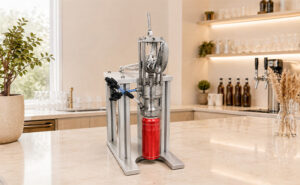
Best Canning Equipment for Coffee Shops
For most coffee shops producing canned cold brew, nitro coffee, or other ready-to-drink beverages, the best canning setup is a compact filler paired with a professional can seamer.
Buying vs. Leasing Beverage Equipment: Which Makes More Financial Sense?
Buying beverage equipment is usually more economical over the long term, while leasing can be the better choice when protecting cash flow, testing demand, or starting with uncertain production volumes.